Bonita Springs, FL · Garage Door Service
Local repair for Bonita Springs doors built between 1979 and 2007. Springs, openers, tracks and panels fixed by a crew that knows this housing stock.
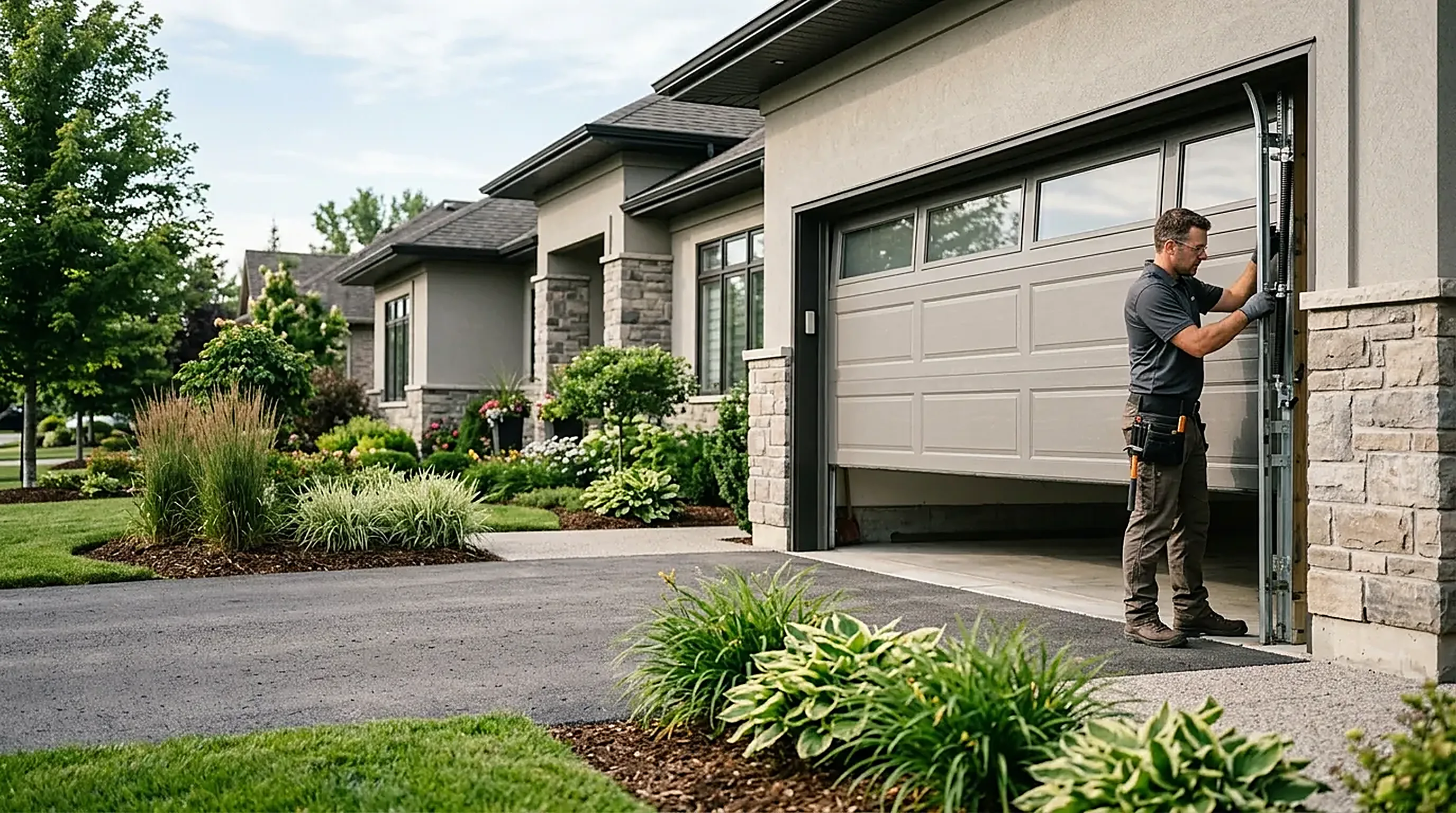
What We Do
From a snapped spring to a full door replacement - one local crew, upfront pricing.
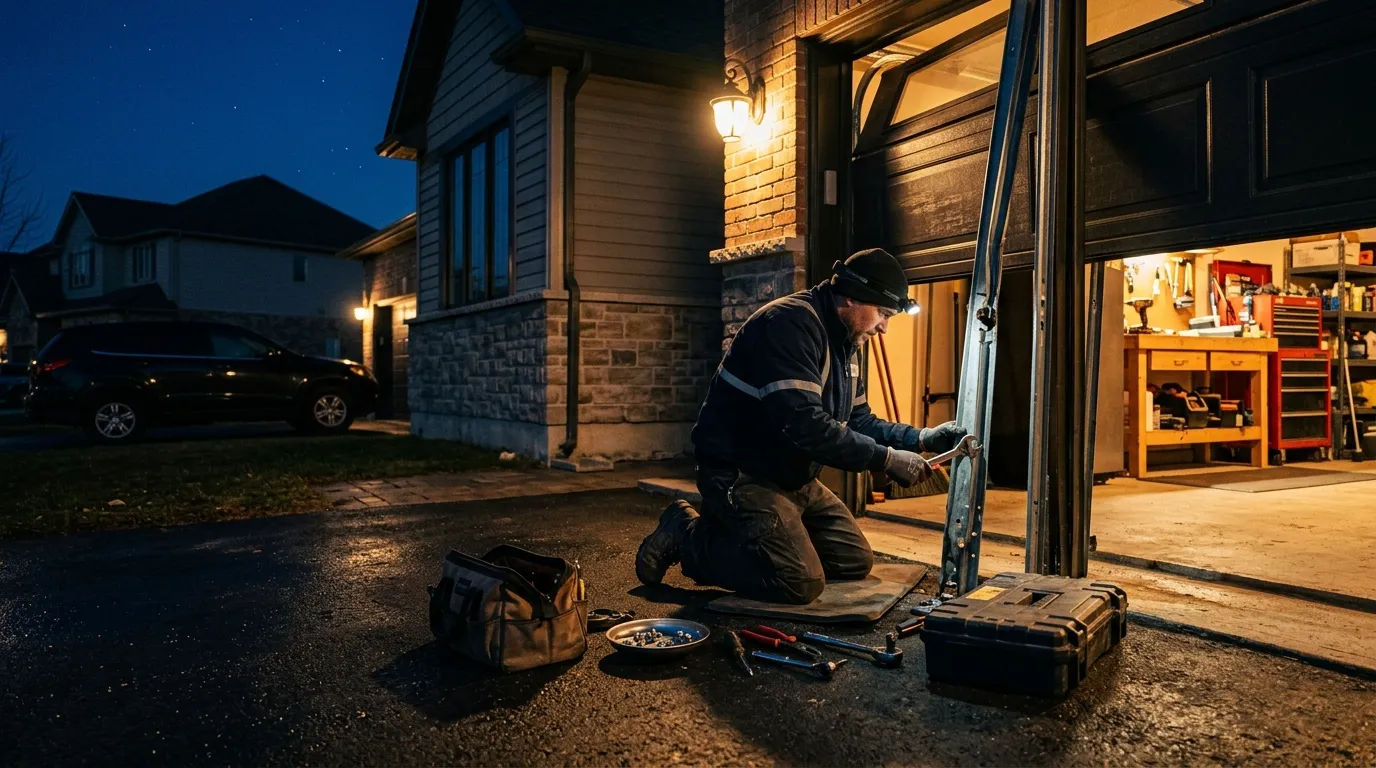
Off-track doors, snapped cables, bent panels and grinding openers - diagnosed and fixed.
Learn more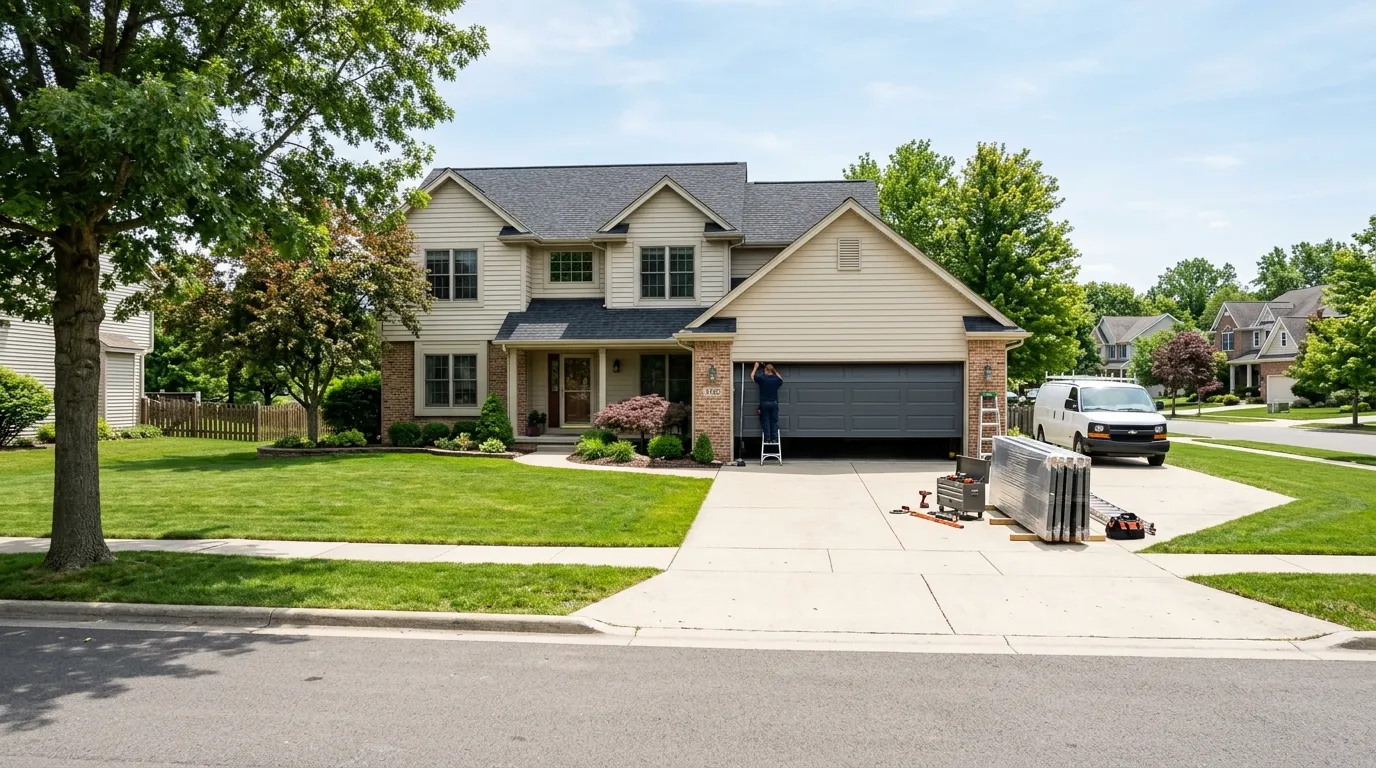
Torsion and extension springs replaced safely - the job you should never DIY.
Learn more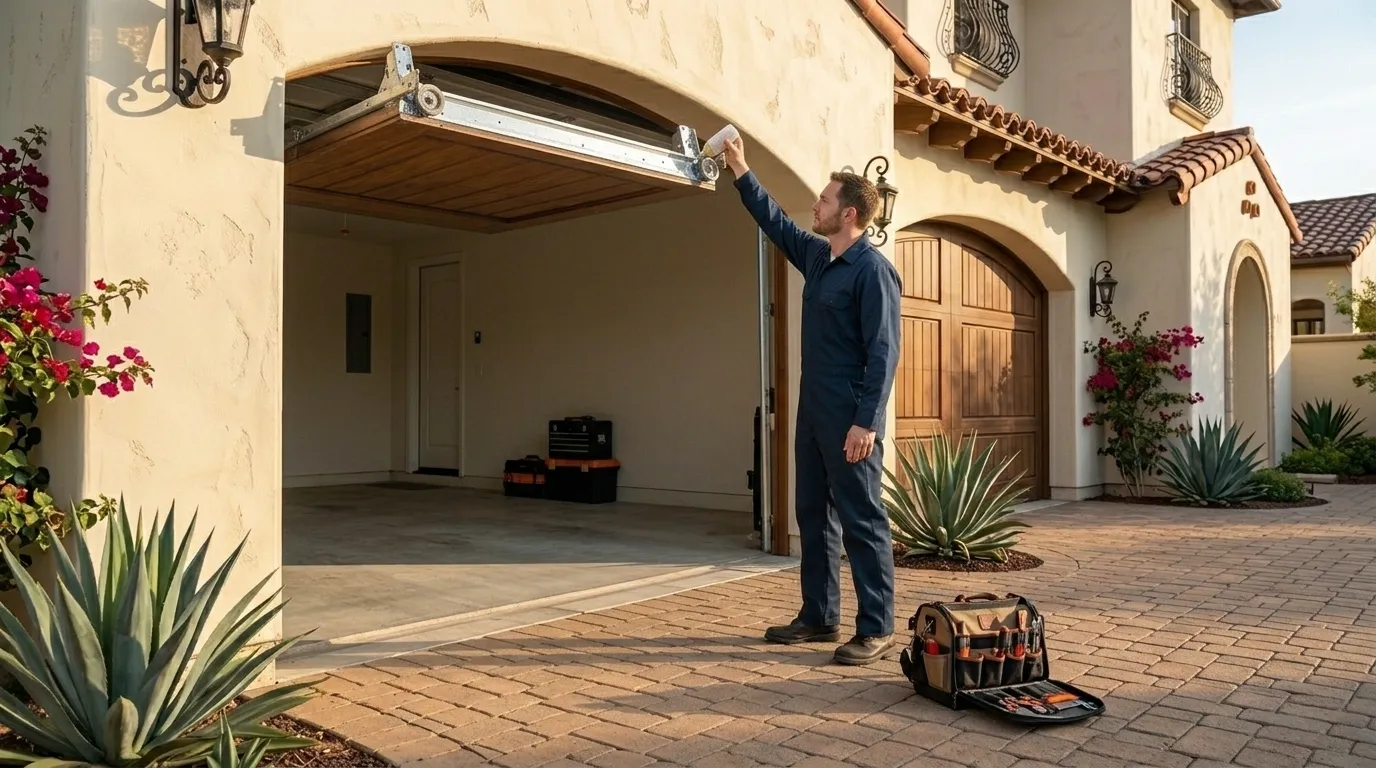
Chain, belt and screw-drive openers, safety sensors and rolling-code remotes.
Learn more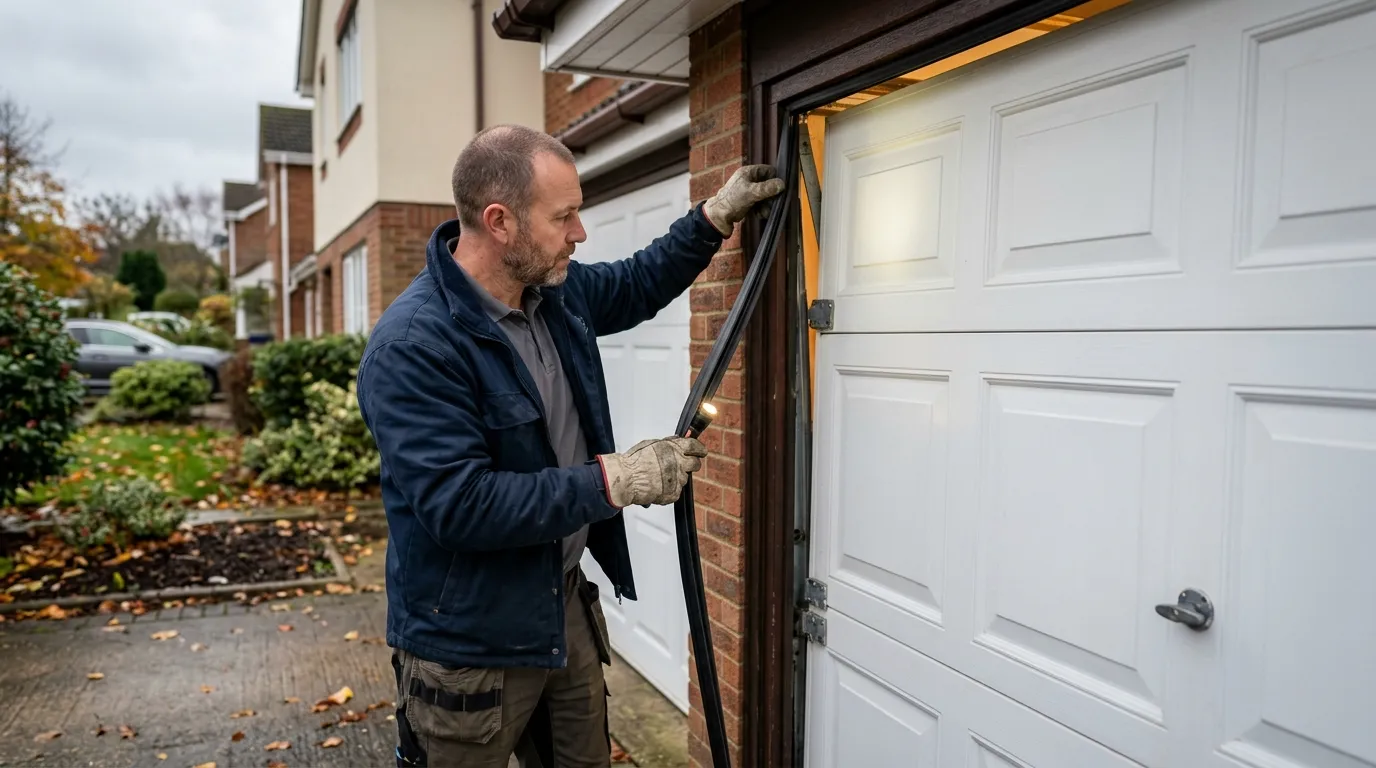
Doors jumped the track re-set, aligned and re-tensioned so they run true.
Learn more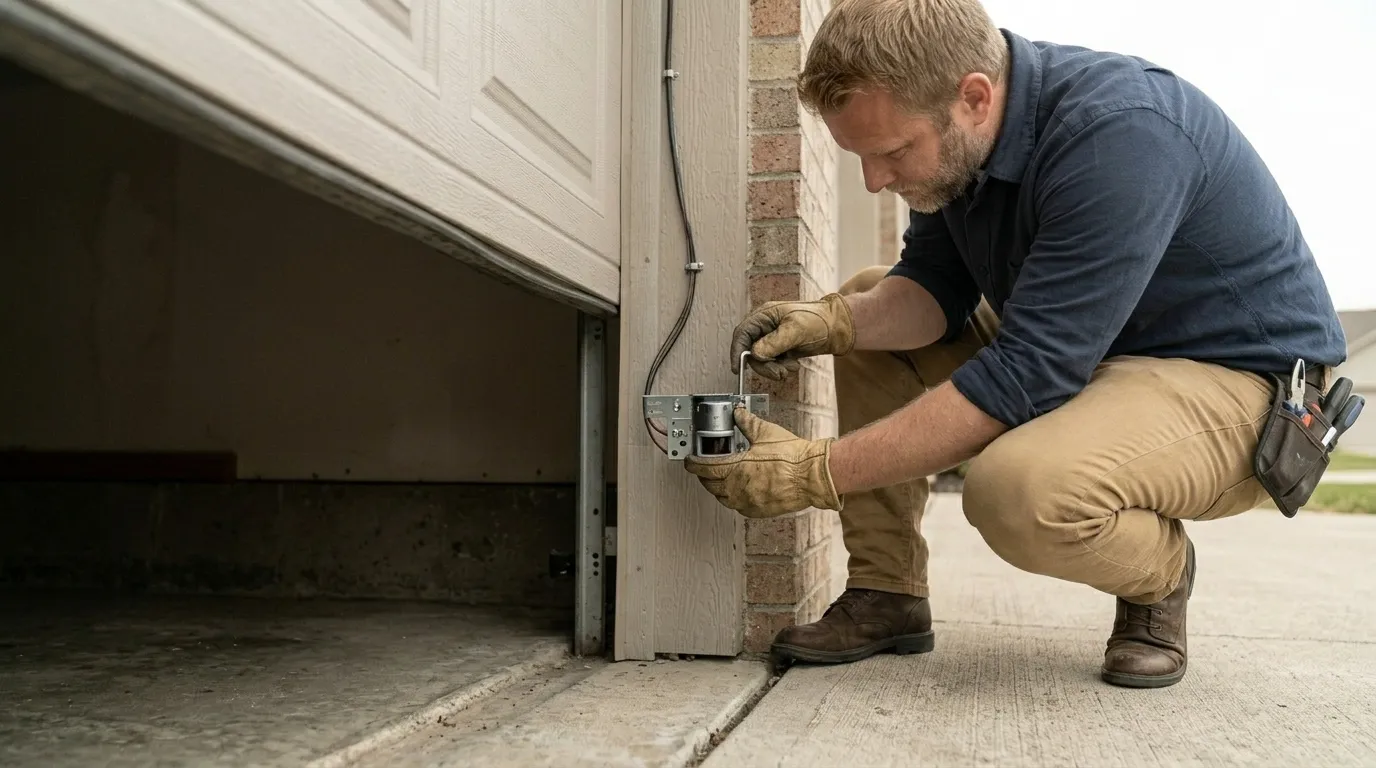
Frayed or snapped lift cables replaced and balanced against the springs.
Learn more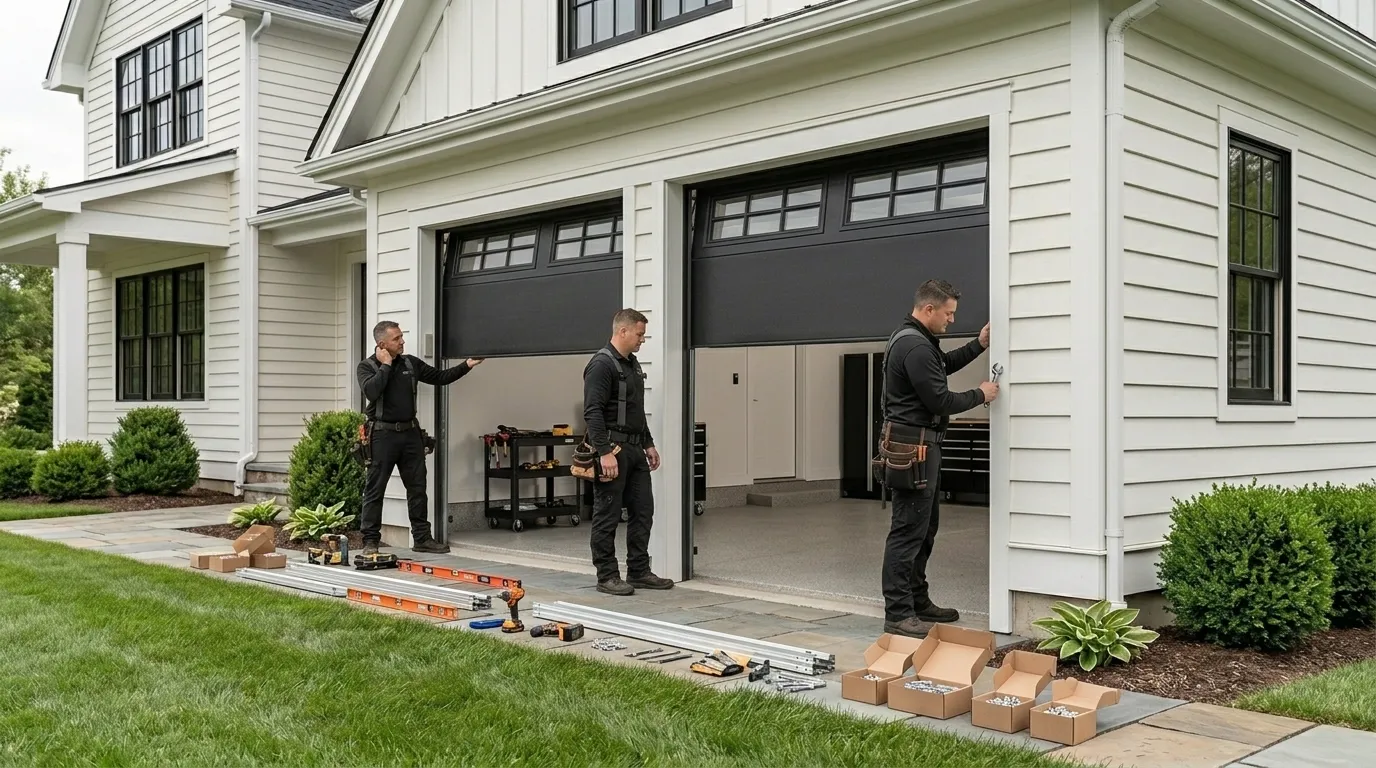
Dented or cracked sections swapped for a match without replacing the whole door.
Learn moreFast Response
A stuck or broken garage door can't wait. Call before the afternoon and we can usually be out the same day - most repairs are diagnosed and finished on the first visit, with an upfront price before any work starts.
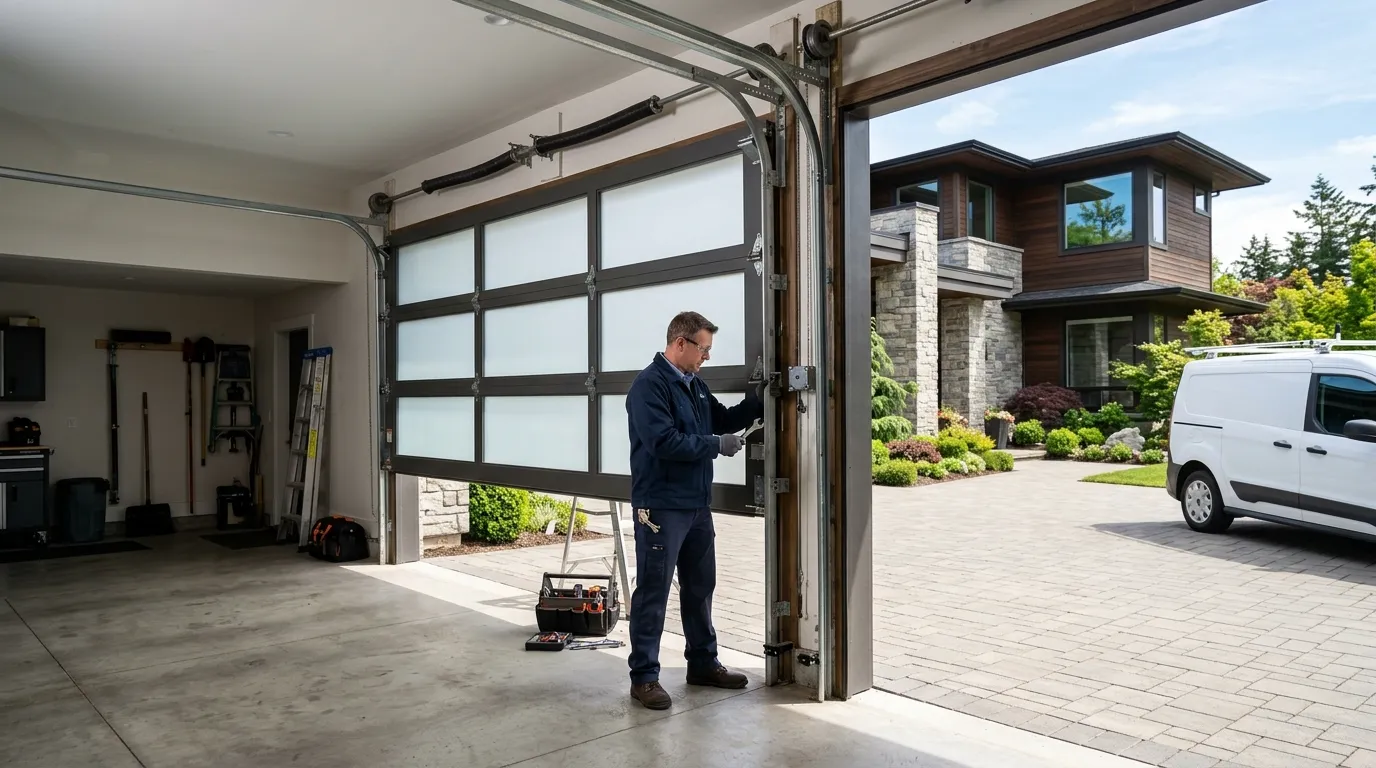 Same-day service
Why Bonita Springs Calls Us
Most repair calls are handled the same or next day - springs and openers don't wait.
Trained techs, proper spring tools, and the insurance to back the work.
A written quote at the door before any work starts - no surprise add-ons.
We diagnose the actual cause, not just the symptom, so the door stays fixed.
Fully stocked trucks mean most repairs are finished on the first visit, no second trip.
A Bonita Springs-based team you can reach directly, not a national call center.
How It Works
Call or request a quote and describe what the door is doing - noise, off-track, won't open.
A tech inspects the springs, tracks, opener and panels and gives you a written price first.
Most repairs are done on the same visit; installs are scheduled around you.
Our Work
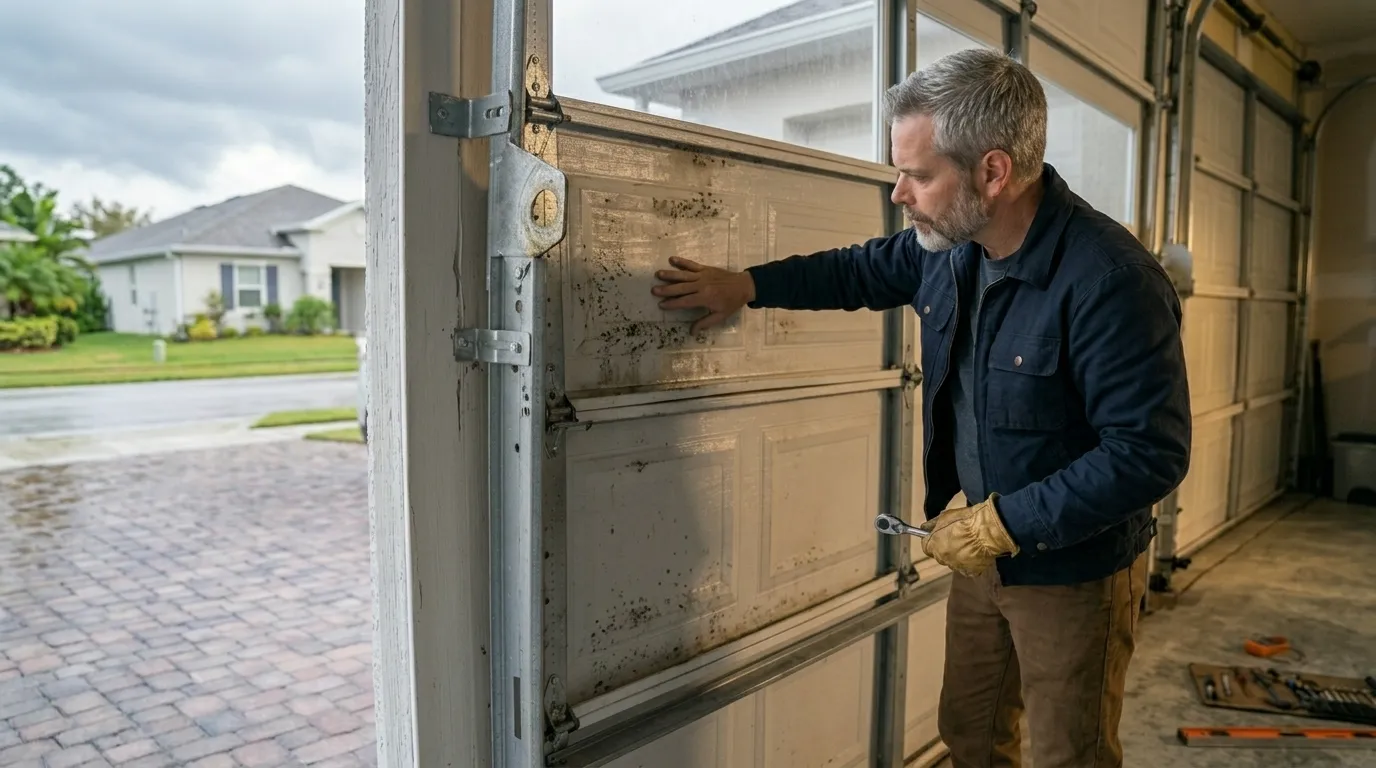
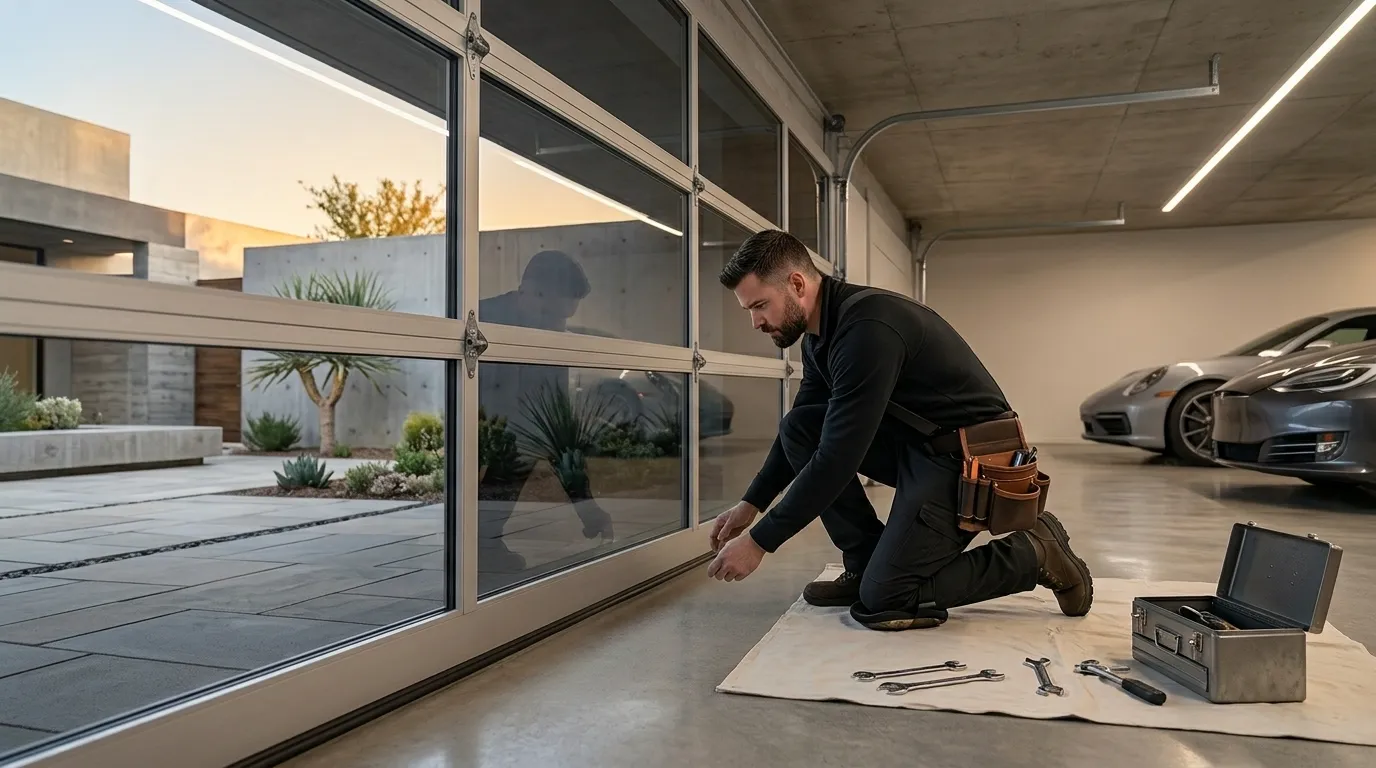
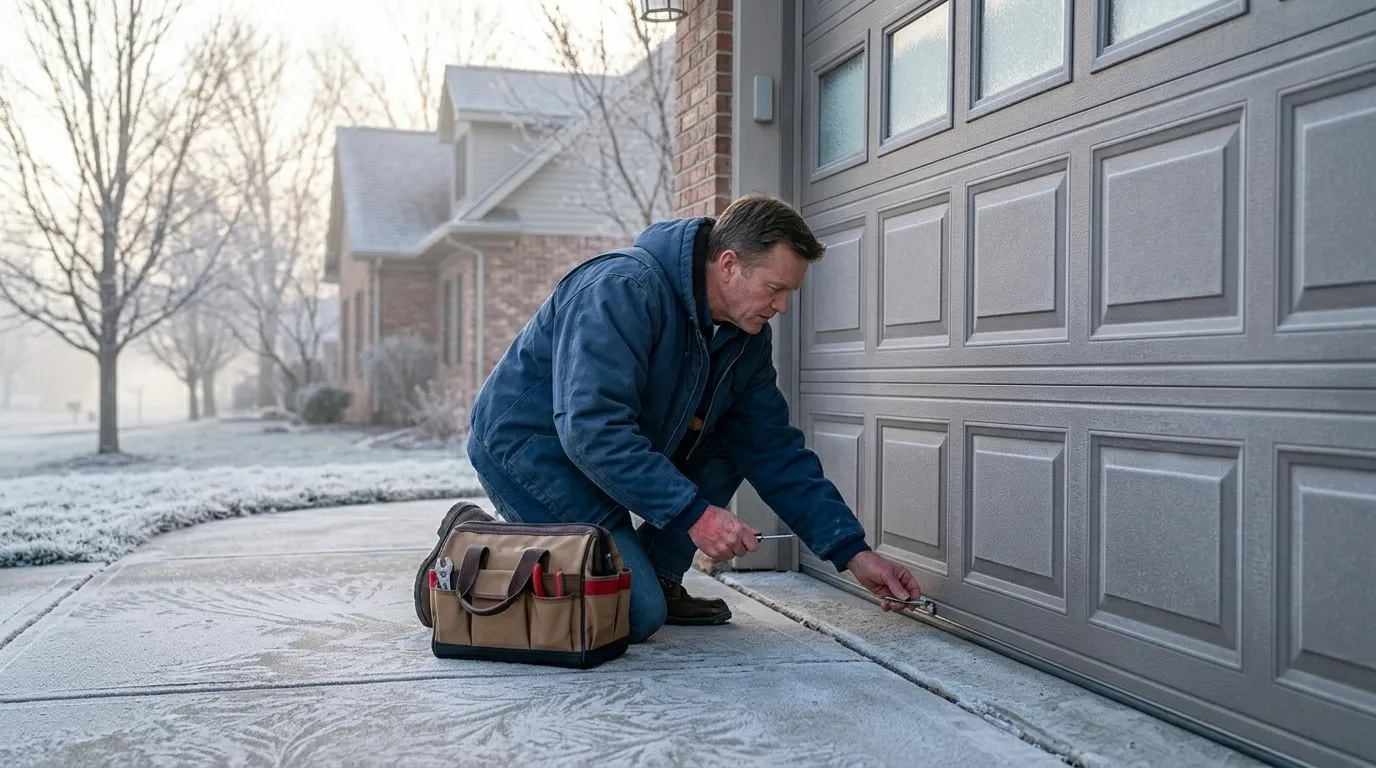
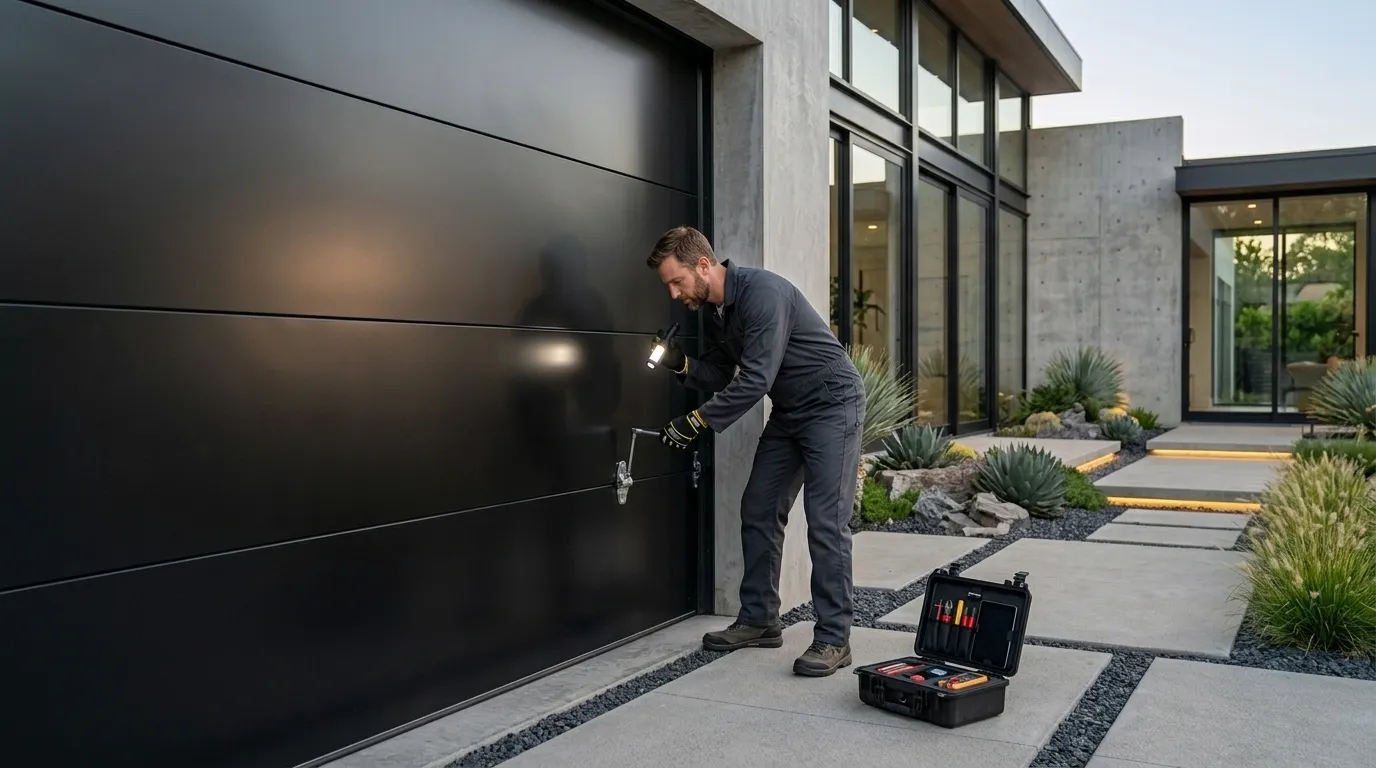
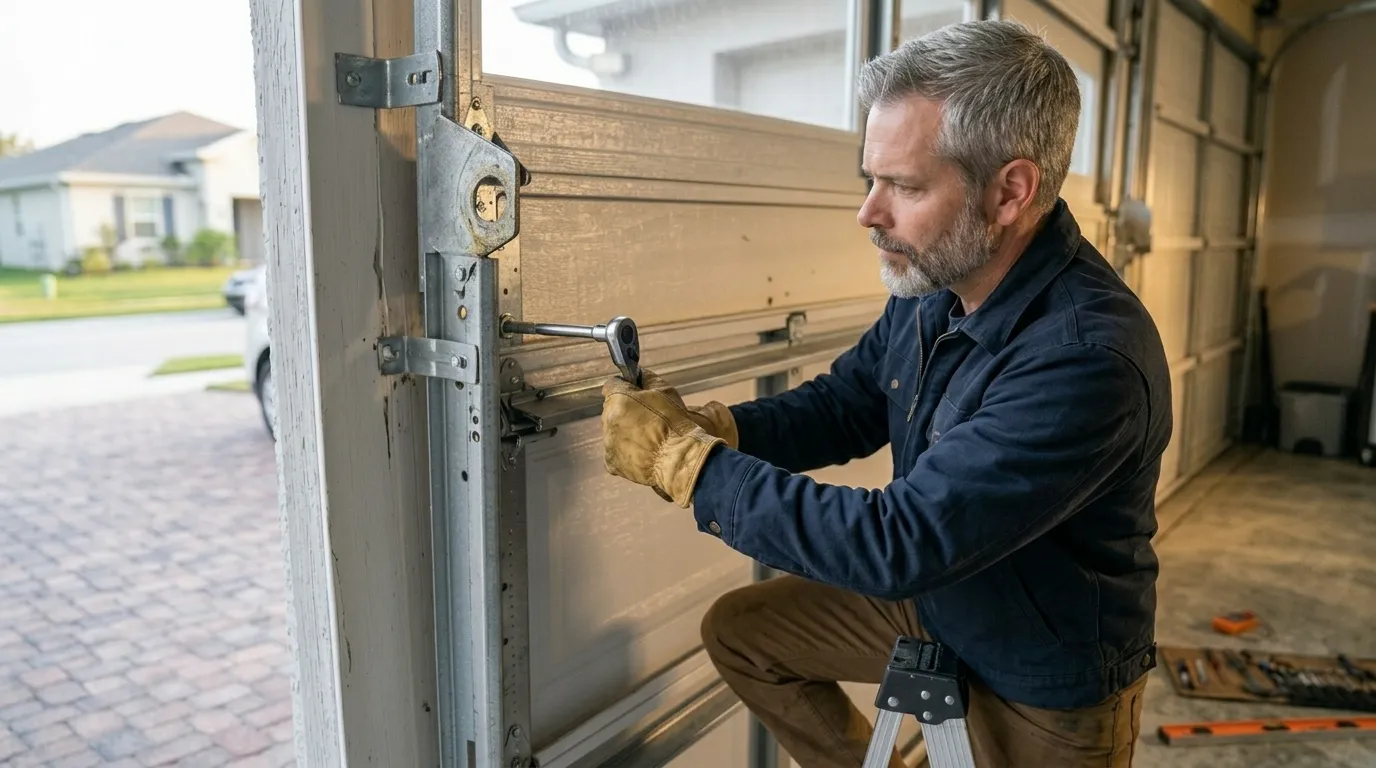
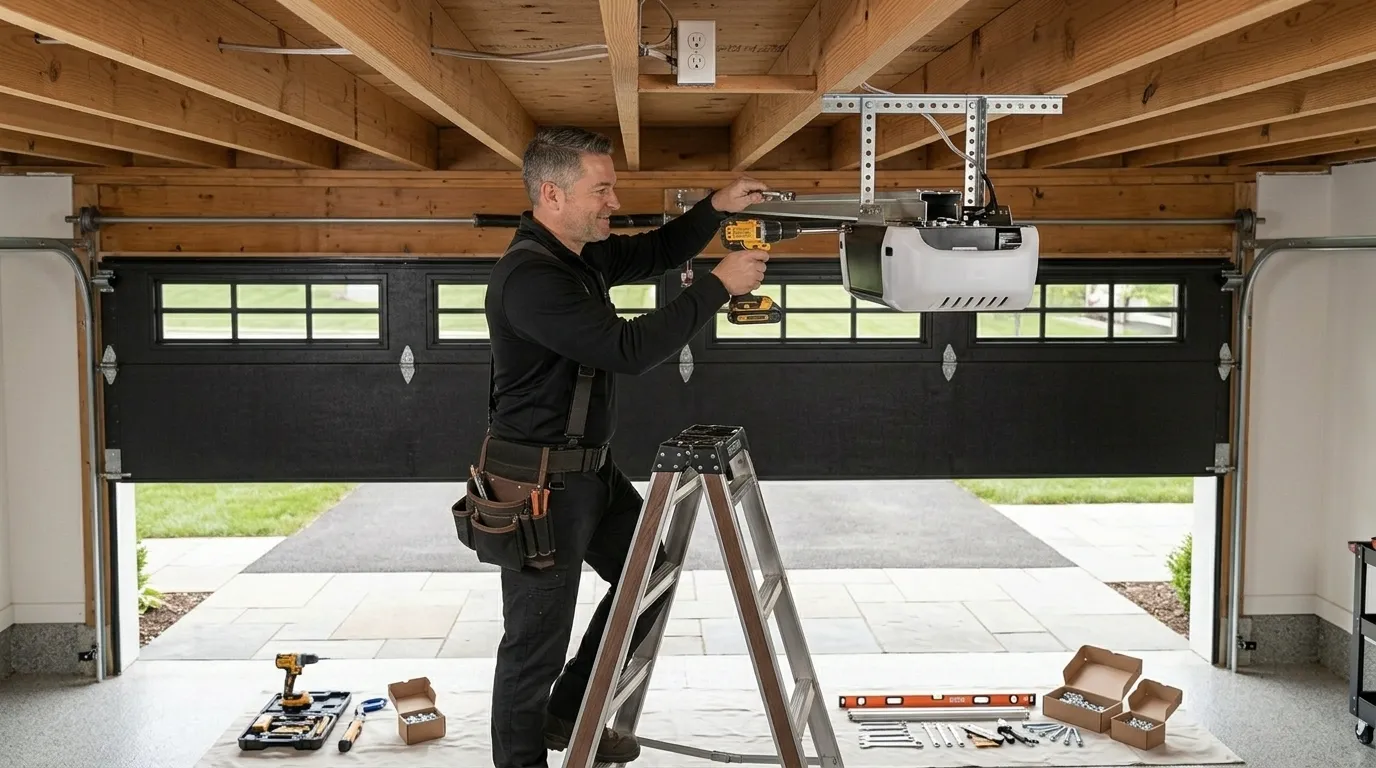
A look at doors, openers and springs we've installed and serviced across the Bonita Springs metro.
Where We Work
Neighborhoods across the city and suburbs around the metro. Not sure if we reach you? Just ask.
Local Expertise
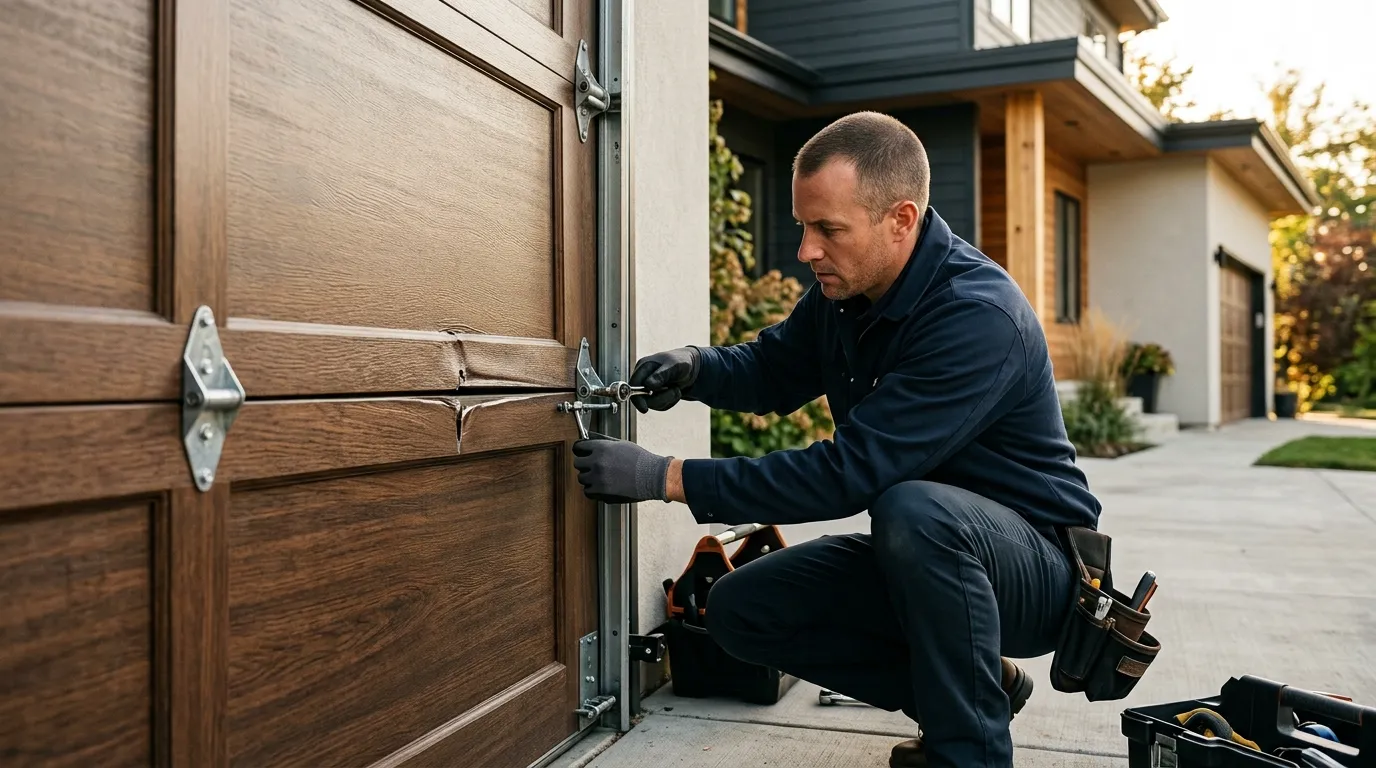
Most of the doors we get called on here went up somewhere between 1979 and 2007, with the median build landing around 1986. That means a lot of what we see is original hardware - steel torsion springs and openers that have been cycling for close to forty years in some cases. When a spring finally lets go on a door that old, and the track is pitted and the panels have started to bow, patching one part just moves the next failure down the road a few months. We'll tell you straight when that's the case instead of billing you for a spring today and a cable next spring.
Replacement makes sense when the door itself - the panel, not just the hardware - is the problem. Wood-composite doors from the 80s and 90s swell and delaminate down here, and once the bottom panel has soaked enough times, no amount of hardware work fixes that. If your opener predates 2000 and the door is original too, we'll walk you through the numbers on fixing versus swapping the whole unit, and we won't push you toward the bigger job if the smaller one gets you another five years.
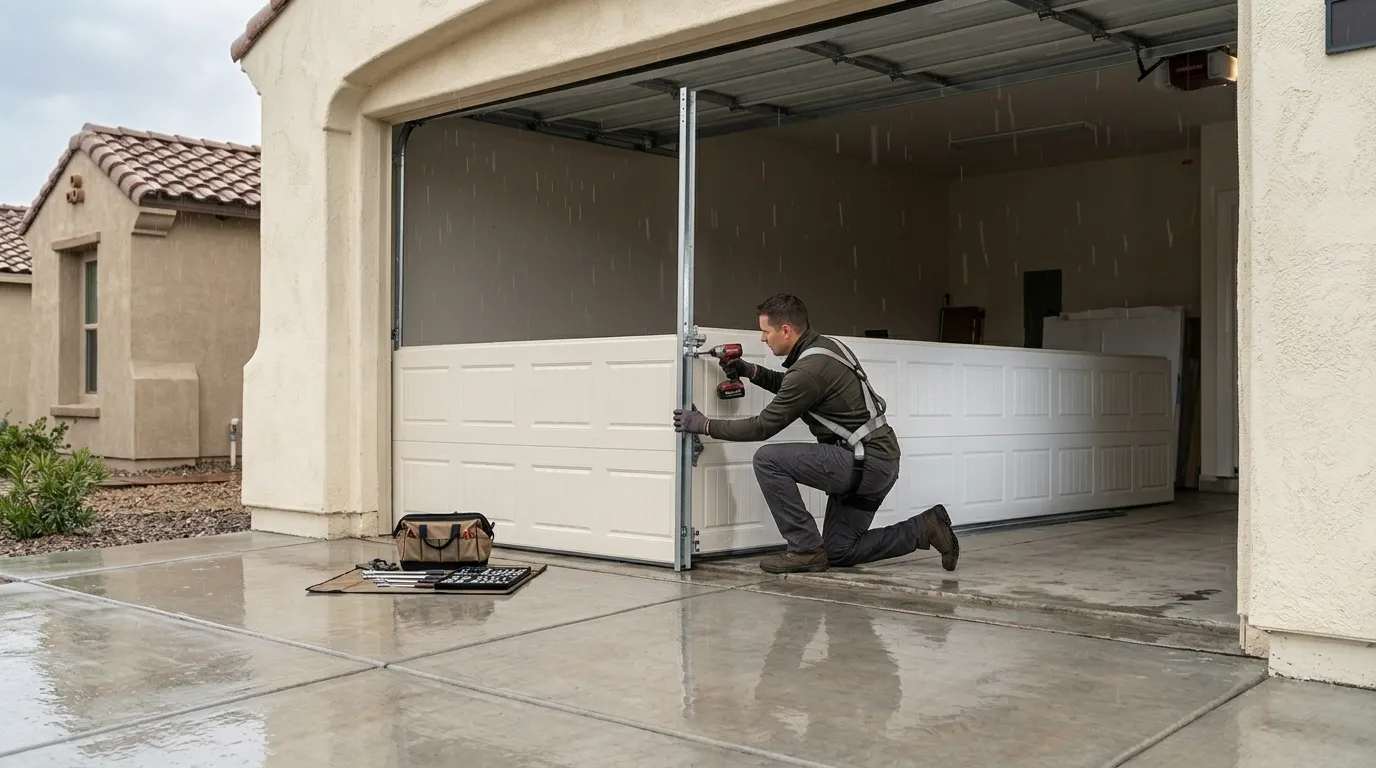
We come out, look at the door with the opener disconnected first - that's the only way to tell if a spring or cable is doing more work than it should, because a working opener can mask a spring that's about to snap. From there we test the balance, check the rollers and track alignment, and look at the panel seams for water damage, which shows up faster in older doors than people expect.
We'll quote the job on the spot for anything straightforward: broken spring, worn rollers, bent track, a cable that's frayed. If the opener itself is the failure point, we'll tell you what's original equipment versus what's been swapped already, since a lot of houses in this area have had at least one opener replacement by now given the age of the stock. We don't carry every panel style for every door built in the last three decades - some older wood-composite panels are special order and take longer than a same-week repair. We'll tell you that up front rather than after we've opened the job.
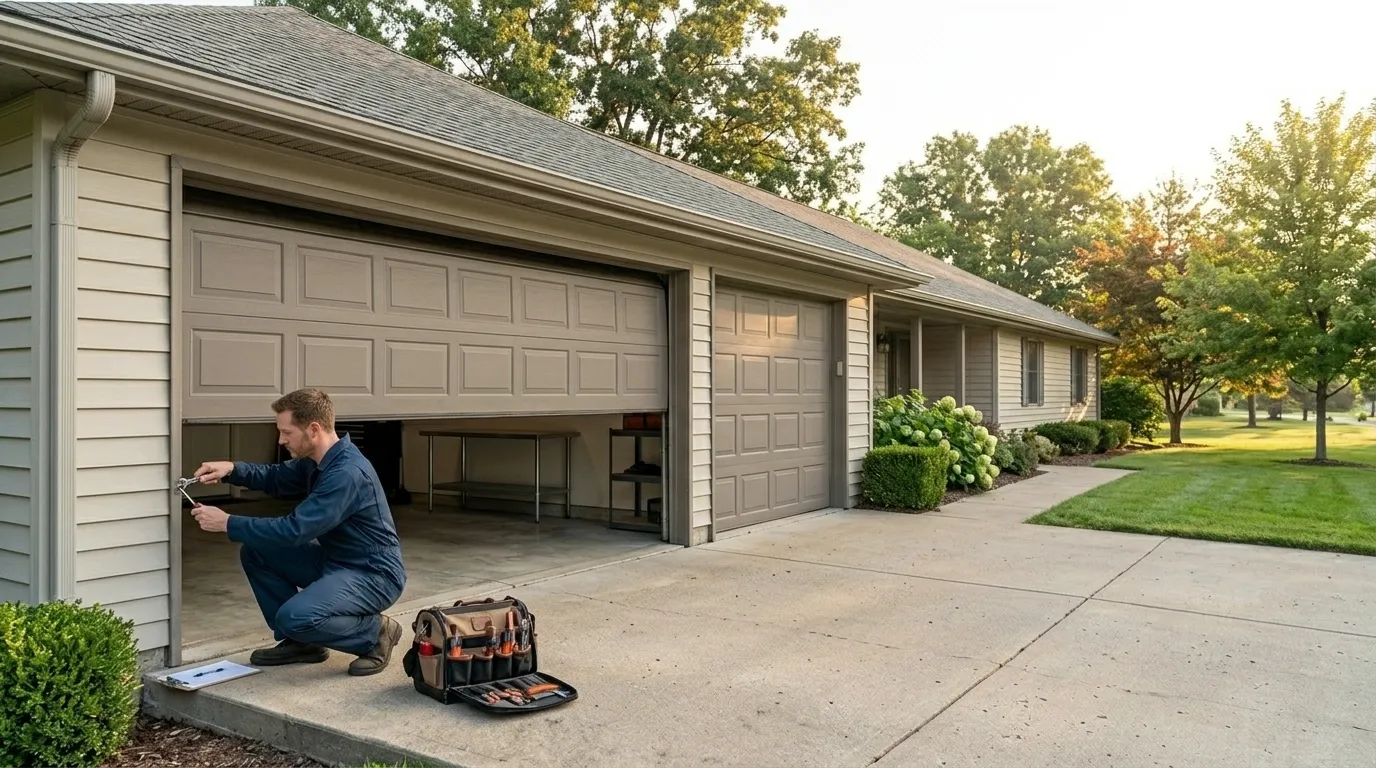
This part of Florida built out fast between the late 70s and the mid-2000s, and the door hardware out there reflects it: a lot of steel torsion springs from the same few manufacturing runs, a lot of chain-drive openers installed once and never touched since. Bonita Bay, just two miles west, has the same construction-era stock as the rest of the service area, and neighborhoods further out - Three Oaks and Pelican Bay around eight miles, Pine Ridge and San Carlos Park and Vineyards around nine - follow the same pattern of 1980s and 90s builds with a scattering of newer homes filling in through the early 2000s.
The mild temperate climate here is easier on doors than it is in places with hard freezes, but it isn't free of wear. Humidity and salt air off the Gulf corrode springs and bottom brackets faster than you'd expect from the weather alone, especially on doors that have never had the hardware lubricated. We see it most on original springs that are pushing thirty years old - they don't rust through so much as fatigue and snap without warning.
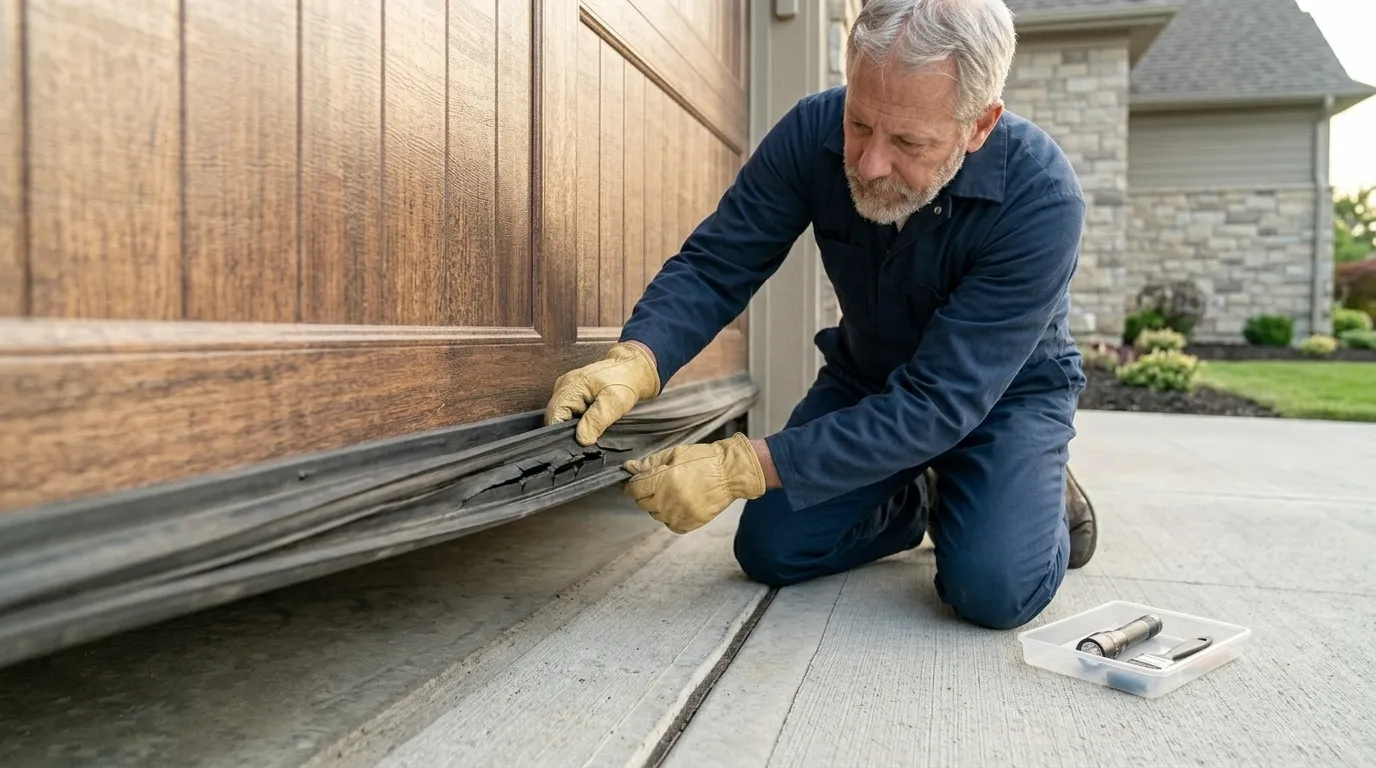
We don't have a posted price list here because the range on a torsion spring job versus a full door swap is wide enough that a flat number would be misleading either way. What we can tell you is what drives the cost: whether it's a single spring or a matched pair on a double-wide door, whether the track needs replacing along with the rollers, and whether the opener is original enough that parts have to be sourced rather than pulled off a shelf.
With a median household income of roughly $92,575 across this service area, most of the calls we get are people choosing to fix well rather than fix cheap - insulated steel over patched wood-composite, a new opener with rolling code security over a thirty-year-old chain drive. We'll give you options at more than one price point where the door allows it, and we'll say plainly when the cheaper option is a short-term fix rather than a real repair.
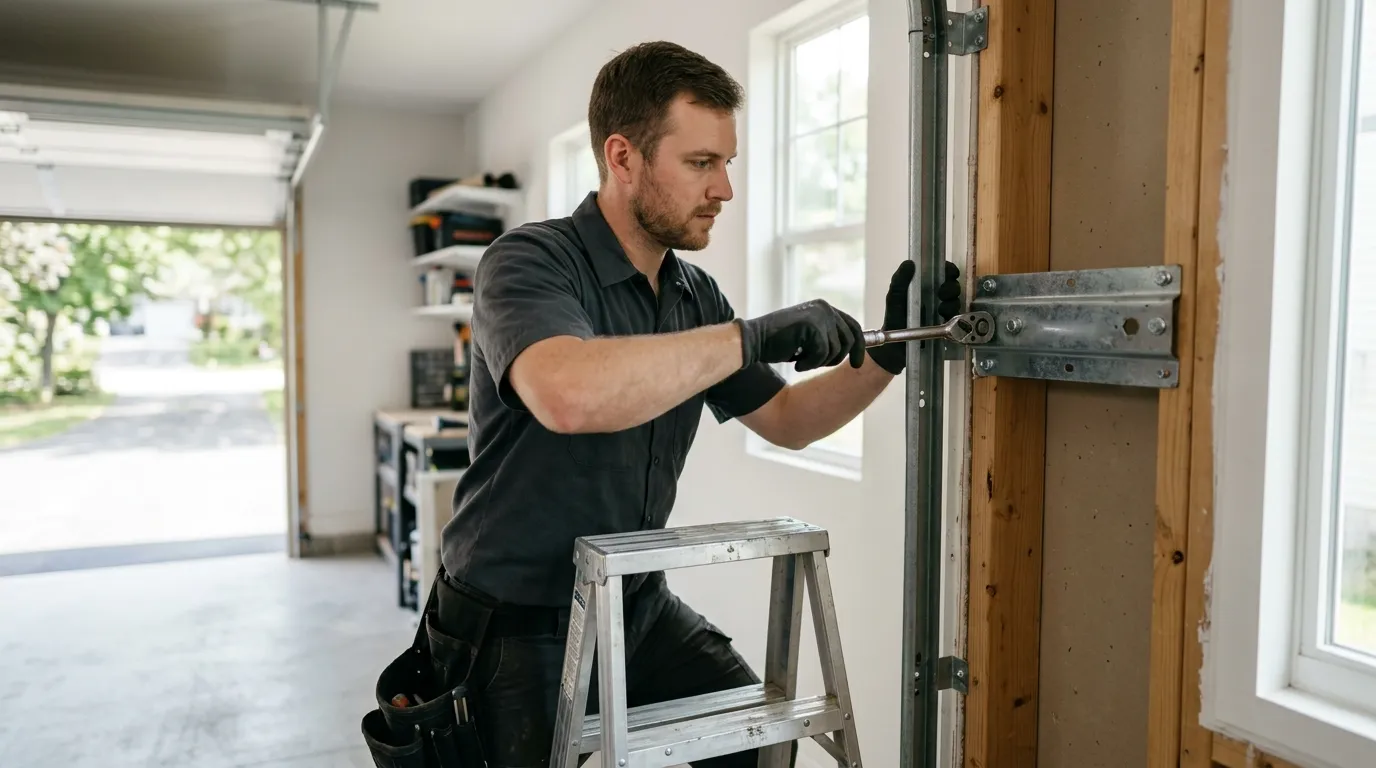
Broken torsion springs top the list, and it's not close - with roughly 29,859 owner-occupied houses in the area still running hardware from the 1980s and 90s build wave, springs are simply aging out on schedule. Right behind that: worn rollers and bent track, usually from a door that's been running unbalanced for months before anyone notices the noise.
Openers are the third big category. A lot of these houses have their second or even third opener at this point, and when an old chain-drive unit finally quits, we see people upgrade to something quieter with battery backup, since the mild climate here doesn't excuse a garage door opener from the occasional power blip. Cable failures and bottom bracket rust round out the list, mostly on doors that back up to more humid, low-airflow garages. What we don't see much of: brand-new doors failing outright - when something that age goes wrong, it's almost always installation-grade hardware, not a manufacturing defect.
Good to Know
Most torsion springs are rated for a set number of cycles rather than years, but on houses built in the 1980s and 90s - a lot of this area - that number is often used up by now. If your door is original to a house from that build era and the spring has never been replaced, treat any sudden noise or slow-closing as a warning, not something to wait out.
Not always on the truck. A lot of doors from the 80s and 90s builds used panel styles that are special order now. We'll tell you at the visit whether your panel is something we can source quickly or something that needs a longer lead time, and give you a repair option to hold you over if it's the latter.
Often yes, especially if the opener predates 2000. Chain-drive units from that era are noisy, lack rolling code security, and parts get harder to find every year. If the door and track are solid, a new opener alone is usually the better dollar-for-dollar upgrade over patching an old unit.
Yes. The mild temperate climate is gentler than colder regions, but humidity and salt air corrode springs and bottom brackets faster than dry inland weather does. We see fatigue failures on original springs that are still well within their rated cycle count simply because of the air they've been sitting in.
Call now or request a free quote - same-day service on most repairs, upfront written pricing.