Bonita Springs, FL · Garage Door Service
Bonita Springs homes built 1979-2007 face humidity, salt air, and original hardware wear. Learn what's failing, when to call, and what drives repair cost.
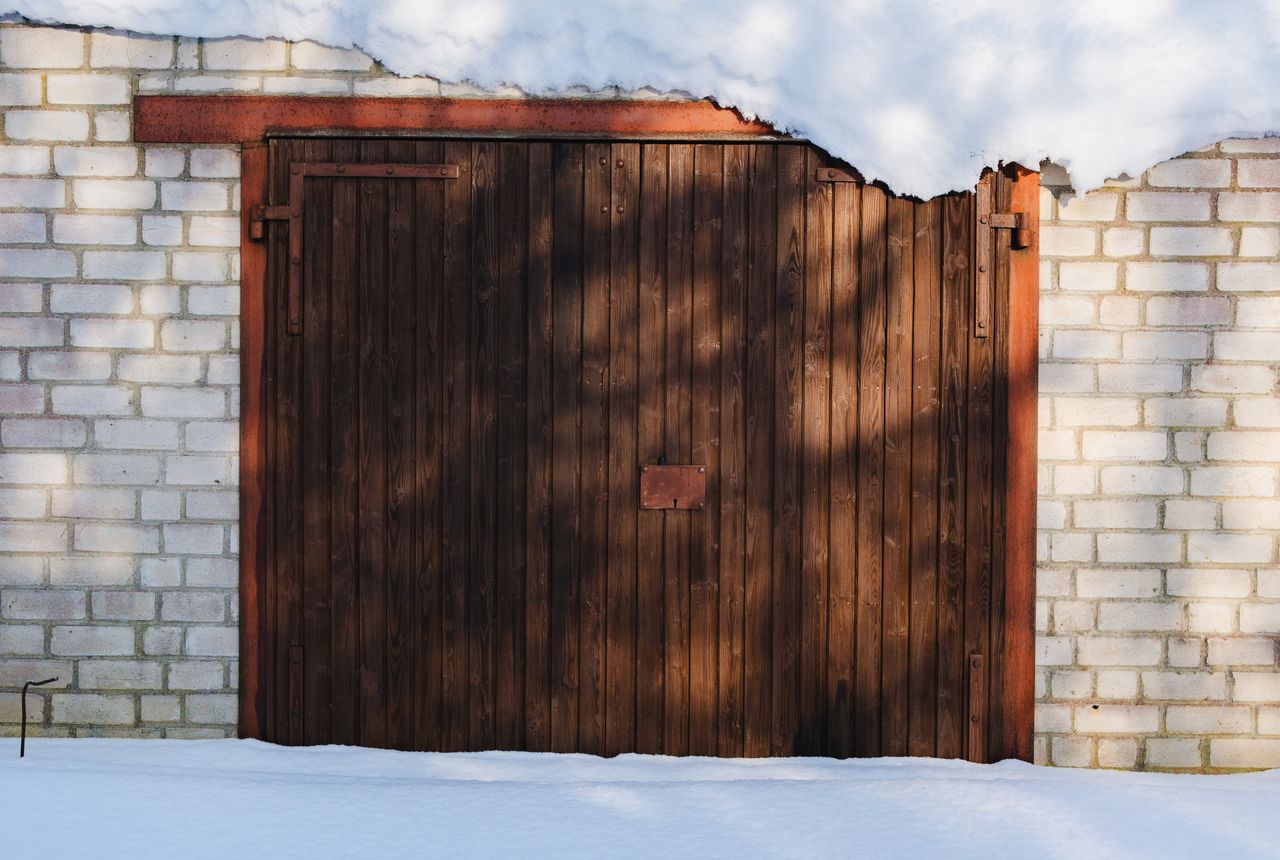
Bonita Springs sits in a mild temperate band, so you're spared the freeze-thaw cycle that cracks tracks and locks up springs up north. That's the good news. The bad news is what replaces it: constant humidity and, for a good stretch of this service area, salt air. Bonita Bay is about two miles west of the core service area, and that gulf-facing air moves inland every day. Salt-laden moisture doesn't need a storm to do damage - it works steadily on unprotected steel hinges, exposed spring coils, and track bolts that were never coated for it. Wood panel doors from the 1980s and 90s swell and stick in the humid months and shrink and rattle in the dry ones, which loosens screws at the hinges over years, not overnight. None of this is dramatic. It's slow, and that's exactly why it gets ignored until a spring lets go or a track pulls off the wall. If your door has started sticking on the way up, or hardware low on the frame is showing surface rust while the rest of the door looks fine, that's the coastal air talking, not a one-time fluke.
Most of the housing stock in this area went up between 1979 and 2007, with the median build year landing around 1986, and that pattern repeats across the eighteen named communities this service covers. A door installed when a house was built in the mid-80s is now roughly four decades old if nobody's swapped it, and torsion springs rated for 10,000 cycles start showing metal fatigue well before that mark if they've never been serviced. Doors from that stretch, especially the steel sectional doors common in 1980s-90s construction, typically came with a single thin layer of insulation, or none at all, laid down in years before double-layer, foam-core construction became the standard build. That thinner skin flexes more with temperature and humidity swings, which stresses the seams and the roller brackets over time. So what you're often looking at isn't one broken part - it's an original door and original hardware reaching the end of a run that started when the house was framed. The opener may have been replaced once along the way, but the door, track, and springs are frequently still the originals, and they age at the same rate the house did.
Call before the door fails all the way, not after. A spring under tension that's starting to sag, a track bolt working loose, or a panel that's begun separating at a seam are all fixable on a service call. A door that's dropped off its track or a spring that's already snapped is a different job, often a bigger one. With 29,859 owner-occupied houses among the roughly 67,601 households across this service area, a lot of these doors have had one owner the whole time, which means the person who'd notice a slow change is usually still the one living there. Watch for a door that's gotten louder over a season, one side that lifts faster than the other, or hardware that's gone from dull gray to visibly rusted. Any of those is worth a call before you're stuck with the door stuck open or shut. One thing worth saying plainly: if the door is original to a house from the 1980s and the springs, rollers, and track are all original too, patch repair on one part often just moves the next failure a few months down the road.
We're not going to put a number on this page that isn't backed by an actual look at your door - the cost swings too much based on whether it's a spring, a roller set, a full panel, or the whole door and track needing to come out. What we can tell you is what drives the number up or down: the age and thinness of the original panel insulation, whether the track has warped from being pulled off center, and whether hardware is corroded enough that bolts strip on removal, which adds labor time. A straightforward spring or roller job on an otherwise sound door is a smaller call than a door that's been sagging for a year and has stressed the track and opener along with it. Given the median household income of $92,575 across this area, most jobs here land in the range of a planned repair rather than an emergency full replacement, but that's only true if the door gets looked at before it fails completely. Waiting past the point of small fixes is what turns a repair into a replacement.
Humidity swells wood panels and can cause steel panels to bind slightly at the seams during the wettest months. Combined with salt air from the gulf-facing side of the area, hardware that's slightly rusted grips more when moisture is high. It's a seasonal pattern tied to this area's mild temperate climate, not a sign the door is failing outright, though it's worth having checked.
Worth a look, yes. A door installed when a house from that era was built is now roughly 40 years old if it's original, and most doors from that period had thinner insulation and springs that weren't built for that many decades of cycles. It doesn't mean it's about to fail, but it means it's past due for an inspection.
Yes. Areas within a handful of miles of the gulf side, including neighborhoods near Bonita Bay, still get salt-carrying air moving inland regularly. It settles on exposed hardware - hinges, spring coils, track bolts - and causes surface corrosion well before any visible rust shows on the door panel itself.
Not honestly. Cost depends on which part failed, how corroded the hardware is, and whether the track has warped. We can walk you through what typically drives the number up or down, but a real figure needs a look at the actual door.
Call now or request a free quote - same-day service on most repairs, upfront written pricing.