Bonita Springs, FL · Garage Door Service
Garage door repair and install for Three Oaks, FL homes built around 2006 - newer stock, different failure points than older Bonita Springs neighborhoods.
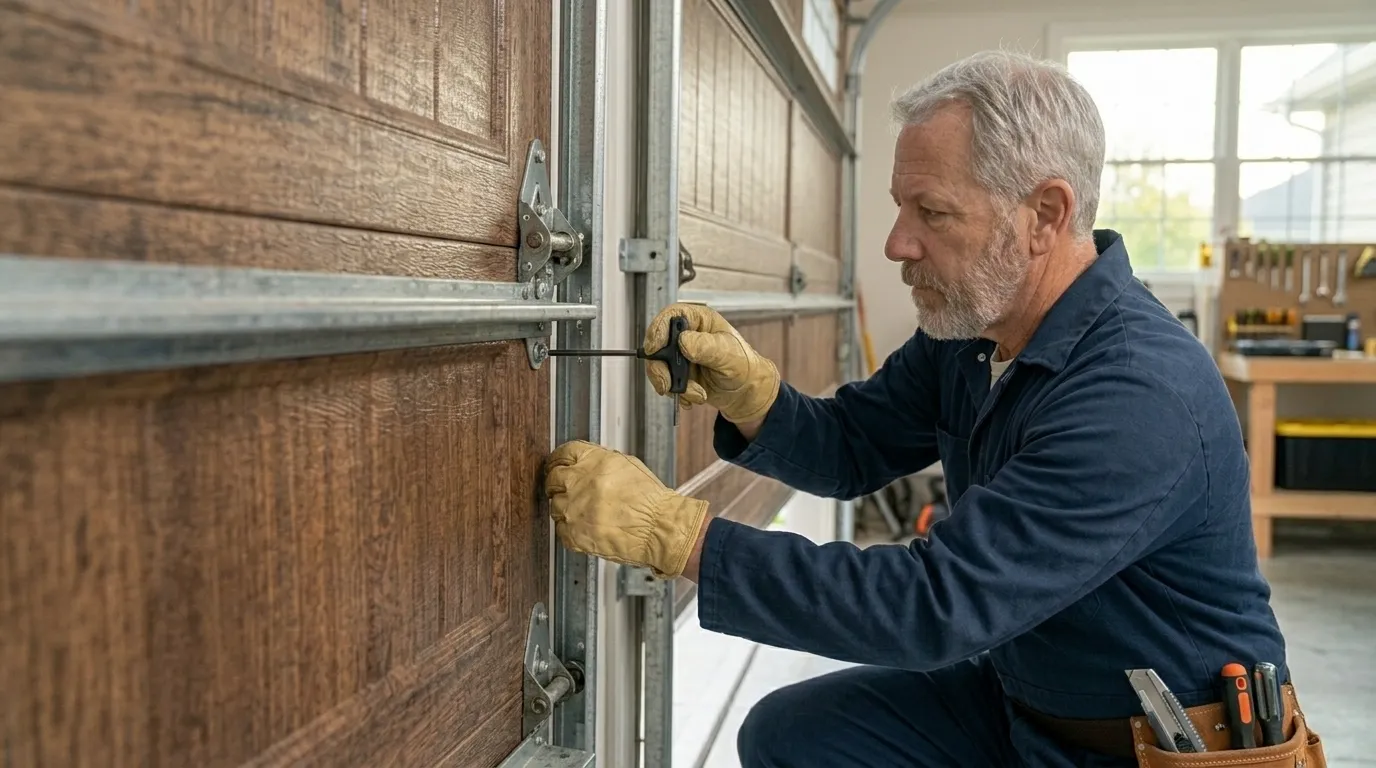
We run out of Bonita Springs, about 8 miles from Three Oaks, and we don't keep a crew stationed in the neighborhood. That's worth saying plainly: if you need a same-hour fix, ask us what's realistic for the day rather than assuming a truck is idle nearby. Once we're on the road, the drive is short enough that most jobs still get handled the same day we're called, but we're not going to promise a depot presence we don't have. What we can promise is that when we quote a repair, we've priced it for a trip out, not a walk down the block. If you're comparing quotes, ask any company whether they actually serve this area from a local base or are driving in like we are - it changes what "emergency call" can honestly mean.
Three Oaks is newer than a lot of what we work on elsewhere in the service area - median year built here runs around 2006, well past the 1986 median for the broader coverage zone. That matters because a 2006 door is still likely running its original torsion spring and often its original opener logic board, both of which start failing in the 15-20 year range. We're seeing more opener circuit boards and travel-limit sensors go bad here than the older rotted panel or rusted-through track jobs we get in neighborhoods built decades earlier. Springs are still springs - they wear on cycle count, not calendar age - so a spring snap is still common, just usually the first one on the door rather than a second or third replacement. With roughly 2,061 households in this area and a median income near $102,392, we also see more owners opting to replace an opener with a quieter or smart-enabled unit rather than just patching the old one, since the budget and the age of the equipment both point that direction.
A door built around 2006 is going to be steel or aluminum sectional, insulated in most cases, and hung on torsion hardware that was reasonably standardized by then - which is good news for parts availability. You're not fighting the odd sizing or side-mount torsion setups that show up on much older homes. The failure pattern here skews electronic and mechanical-wear rather than structural: opener boards, worn rollers, sensor misalignment, and first-time spring failure. We don't see much call for the kind of full panel rebuild that rot or impact damage requires on older wood-composite doors, because the materials from this build era hold up better against Southwest Florida's mild, humid climate. That's a real difference from what we run into on the older side of the coverage area, and it's why a Three Oaks job usually starts with electronics and hardware wear, not structure.
Three Oaks sits at the newer end of the housing stock we cover, with a median build year around 2006 compared to the 1986 median across the wider service area's 1979-2007 range. That newer stock generally means fewer of the door and track oddities that come with older permitting standards, and a homeowner base with a median income around $102,392 that tends to invest in upgrades - insulated panels, quieter openers, battery backup - rather than deferred patchwork. At roughly 2,061 households, it's a smaller footprint than some of the areas we cover, but the age and income profile both point toward doors that are functionally sound and due for electronic or wear-part service rather than full replacement. The mild temperate climate here is gentler on doors than harsher regions, but heat and humidity still shorten the working life of lubricant, seals, and circuit boards over time, regardless of build year.
No. We work out of Bonita Springs, about 8 miles away, and drive out for every job in Three Oaks. We still get most repairs done same day, but we won't claim a local depot or a guaranteed response window we can't back up.
Most homes here were built around 2006, decades newer than the broader area's 1986 median build year. That means standardized torsion hardware and insulated panels, so failures tend to be opener boards, sensors, and first-time spring wear rather than rotted panels or obsolete track hardware.
Probably, since most homes here are around two decades old and springs are rated by cycle count rather than age. If your door has been used daily for that long, a first-time spring failure is common and worth planning for before it snaps.
At close to two decades old, an opener's circuit board and gearing are common failure points. Given the age of the equipment, many owners in this area choose to replace with a newer unit rather than repeatedly patch an aging board - but a straightforward sensor or wiring fix can still make sense if that's the actual problem.
Call now or request a free quote - same-day service on most repairs, upfront written pricing.